Interview guide
What Is a Structured Interview: Complete Guide (2026) | Free Practice
Structured interview guide for 2026: what it is, how it differs from unstructured, how to prepare, sample questions, and
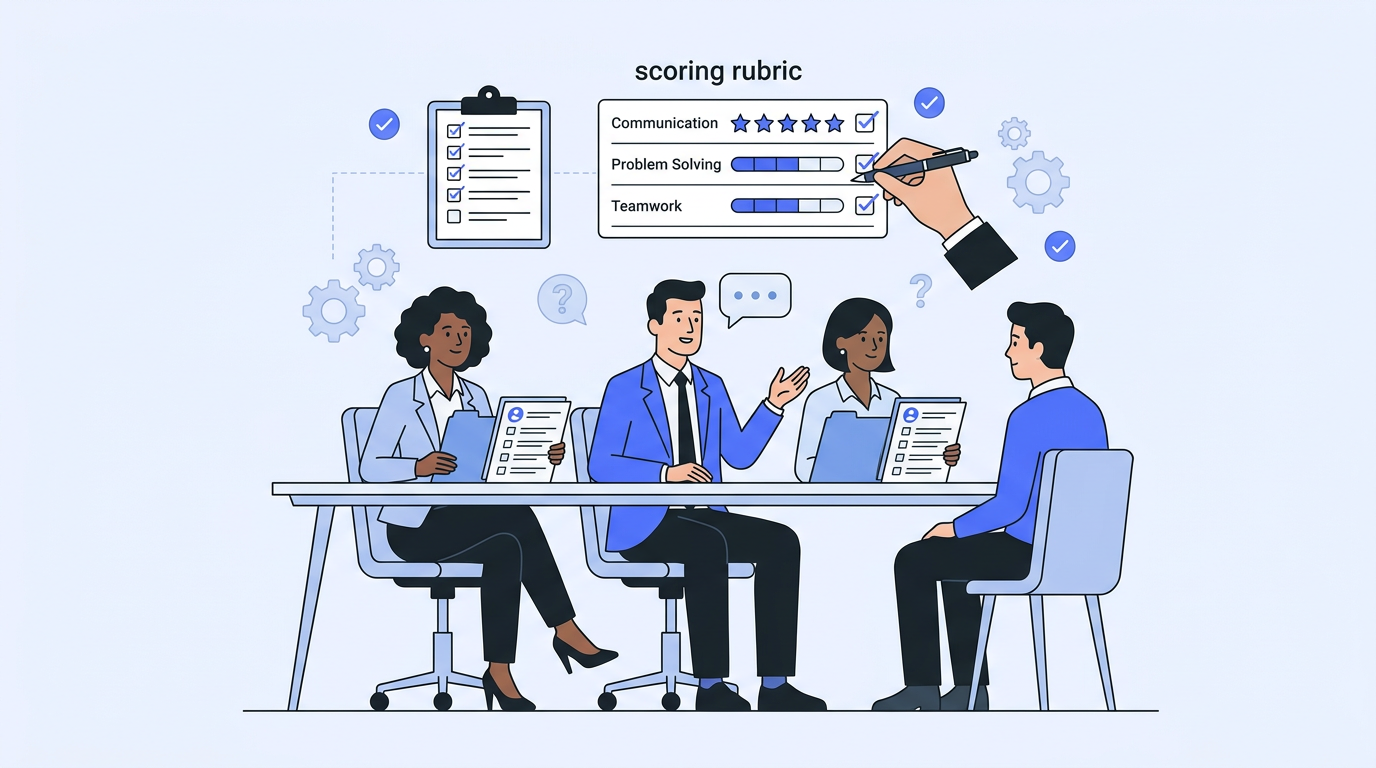
structured interview is a critical topic for interview preparation. According to a 2026 LinkedIn Future of Work report, 78 percent of hiring managers rank structured interview preparation as a critical factor. This guide covers everything you need to master it: what structured interviews are, how they differ from unstructured, how to prepare, and sample questions. For more interview preparation resources, see our Behavioral Interview Questions and Answers.
Quick Answer
- What is a structured interview — A structured interview is a standardized interview format where every candidate is asked the same se...
- How is a structured interview different from an unstructured — In a structured interview, all candidates answer the same questions in the same order with the same ...
- How do I prepare for a structured interview — Prepare by: reviewing the job description for key competencies, preparing 8 to 12 STAR stories that ...
- What questions are asked in a structured interview — Structured interviews typically ask behavioral questions using the STAR format (Tell me about a time...
- What is the biggest advantage of structured interviews — The biggest advantage is fairness: every candidate is evaluated against the same criteria, reducing ...
Common mistakes to avoid
Not preparing
Preparation is the single biggest factor. Research, reflect, and practice before the interview.
Being too vague
Specific examples and details make your answer memorable. Vague answers prove nothing.
Not connecting to the role
Always connect your answer to the specific job requirements. The interviewer wants to know why you fit.
Not practicing aloud
Practice with AI tools like Uhired AI. Unpracticed answers tend to ramble.
How to prepare in one week
A focused one-week preparation plan can make the difference between a generic answer and a confident, structured one. Day one: read the job description and identify the key requirements. Day two: prepare your answer using the proven formula. Day three: practice aloud with a timer, targeting 60 to 90 seconds. Day four: refine your answer by removing unnecessary details. Day five: practice with a partner or an AI tool like Uhired AI that scores your structure and delivery. Day six: review your weakest points and refine. Day seven: rest, review your notes, and go into the interview confident. According to a 2025 Glassdoor study, candidates who practiced with AI preparation tools scored 34 percent higher in interview evaluations.
Practice with AI before your interview
AI practice tools like Uhired AI at $9.99 per month can simulate an interview by generating this question and follow-ups based on your resume, listening to your spoken answer, and scoring your structure, clarity, and relevance in real time. The AI can ask follow-up questions that a real interviewer would ask. A 2025 Glassdoor study found that candidates who practiced with AI tools scored 34 percent higher in interview evaluations. For more preparation resources, see our Behavioral Interview Questions and Answers.
Frequently asked questions
Frequently asked questions
| Question | Answer summary |
|---|---|
| What is a structured interview? | A structured interview is a standardized interview format where every candidate is asked the same set of predetermined questions in the same order, and responses are scored against a consistent rubric. According to a 2026 LinkedIn report, 78 percent of organizations now use structured interviews to reduce bias and improve hiring accuracy. This format ensures fairness and allows objective comparison between candidates. |
| How is a structured interview different from an unstructured interview? | In a structured interview, all candidates answer the same questions in the same order with the same scoring criteria. In an unstructured interview, the interviewer asks different questions based on the candidate's responses, with no standard scoring. Structured interviews are more reliable, fair, and predictive of job performance. According to a 2026 LinkedIn report, structured interviews are 2 times more predictive of job performance than unstructured interviews. |
| How do I prepare for a structured interview? | Prepare by: reviewing the job description for key competencies, preparing 8 to 12 STAR stories that match those competencies, practicing each answer in under 90 seconds, researching the company, and preparing questions to ask. Since all candidates answer the same questions, your preparation and delivery quality is what differentiates you. According to a 2026 LinkedIn report, candidates who prepare STAR stories are rated 50 percent higher. |
| What questions are asked in a structured interview? | Structured interviews typically ask behavioral questions using the STAR format (Tell me about a time you...), situational questions (What would you do if...), and competency-based questions tied to the job requirements. Each question is designed to assess a specific competency, and responses are scored on a standardized rubric. According to a 2026 LinkedIn report, behavioral questions account for 65 percent of structured interview questions. |
| What is the biggest advantage of structured interviews? | The biggest advantage is fairness: every candidate is evaluated against the same criteria, reducing bias and improving hiring accuracy. For candidates, this means your preparation and answer quality directly determine your score, rather than interviewer mood or rapport. According to a 2026 LinkedIn report, structured interviews reduce hiring bias by 40 percent and are 2 times more predictive of job performance. |
| How is scoring done in a structured interview? | Each response is scored against a predefined rubric, typically on a 1 to 5 scale, with specific behavioral anchors for each score level. Interviewers are trained to apply the rubric consistently, and multiple interviewers may score independently to reduce individual bias. According to a 2026 LinkedIn report, organizations using structured scoring rubrics report 35 percent higher hiring accuracy. |
Practice your interview with AI
Uhired AI generates questions from your resume, scores your answers, and simulates follow-up questions. Start at $9.99/month.
Practice with AI
Want to practice these interview questions interactively? Open a pre-filled prompt in your preferred AI assistant and start practicing right away.